|
As we look back on the last year, there’s a lot to unpack — but also a lot to learn. ͏ ͏ ͏ ͏ ͏ ͏ ͏ ͏ ͏ ͏ ͏ ͏ ͏ ͏ ͏ ͏ ͏ ͏ ͏ ͏ ͏ ͏ ͏ ͏ ͏ ͏ ͏ ͏ ͏ ͏ ͏ ͏ ͏ ͏ ͏ ͏ ͏ ͏ ͏ ͏ ͏ ͏ ͏ ͏ ͏ ͏ ͏ ͏ ͏ ͏ ͏ ͏ ͏ ͏ ͏ ͏ ͏ ͏ ͏ ͏ ͏ ͏ ͏ ͏ ͏ ͏ ͏ ͏ ͏ ͏ ͏ ͏ ͏ ͏ ͏ ͏ ͏ ͏ ͏ ͏ ͏ ͏ ͏ ͏ ͏ ͏ ͏ ͏ ͏ ͏ ͏ ͏ ͏ ͏ ͏ ͏ ͏ ͏ ͏ ͏ ͏ ͏ ͏ ͏ ͏ ͏ ͏ ͏ ͏ ͏ ͏ ͏ ͏ ͏ ͏ ͏ ͏ ͏ ͏ ͏ ͏ ͏ ͏ ͏ ͏ ͏ ͏ ͏ ͏ ͏ ͏ ͏ ͏ ͏ ͏ ͏ ͏ ͏ ͏ ͏ ͏ ͏ ͏ ͏ ͏ ͏ ͏ ͏ ͏ ͏ ͏ ͏ ͏ ͏ ͏ ͏ ͏ ͏ ͏ ͏ ͏ ͏ ͏ ͏ ͏ ͏ ͏ ͏ ͏ ͏ ͏ ͏ ͏ ͏ ͏ ͏ ͏ ͏ ͏ ͏ ͏ ͏ ͏ ͏ ͏ ͏ ͏ ͏ ͏ ͏ ͏ ͏ ͏ ͏ ͏ ͏ ͏ ͏ ͏ ͏ ͏ ͏ ͏ ͏ ͏ ͏ ͏ ͏ ͏ ͏ ͏ ͏ ͏ ͏ ͏ ͏ ͏ ͏ ͏ ͏ ͏ ͏ ͏ ͏ ͏ ͏ ͏ ͏ ͏ ͏ ͏ ͏ ͏ ͏ ͏ ͏ ͏ ͏ ͏ ͏ ͏ ͏ ͏ ͏ ͏ ͏ ͏ ͏ ͏ ͏ ͏ ͏ ͏ ͏ ͏
|
It feels like we’re caught between a bad breakup and a new… situationship when it comes to how we deliver urban projects, from housing to long-overdue infrastructure. Cities are still benefiting from Biden-era infrastructure investments. But the new administration’s policies have introduced real uncertainty around both financing and the regulatory environment. And like any new situationship, one thing Is obvious: fickleness is part of the deal. What’s interesting — and easy to miss in a year-end recap — is that this uncertainty hasn’t stalled city building. Instead, it’s quietly changing how projects move forward. In the face of a deepening affordability crisis, city builders are adapting — looking toward a future with fewer dollars, but potentially more creativity, faster timelines, and in some cases, fewer regulatory constraints. As we look back on the last year, there’s a lot to unpack but also a lot to learn. Reflecting on the last 12 months will only prepare us for what the next 12 months will bring. Hope this gets you thinking,
|
|
Founder and CEO, Building Better Cities
|
|
Abundance and the Need for Institutional Change
|
|
Rising real estate and infrastructure costs impact nearly every part of daily life — transportation, utility bills, rent. And the need to build more, whether to meet growing demand or make up for decades of underinvestment, shows no sign of letting up on rising costs. In response, the Abundance agenda continues to gain traction, from zoning reform to process streamlining. Across the country, we’re seing policy changes aim to expedite project delivery and increase housing supply. And, passage of California’s SB 79 is just one example, allowing more housing to be built near the state’s transit investments. But, creating a regulatory environment that allows projects to take-off is not a silver bullet. Many institutional systems that underpin housing development are fundamentally resistant to a purely supply-side approach. These projects are underwritten on the assumption that housing is a commodity with continued appreciation, in part due to it’s scarcity. But what happens in a world where supply-driven affordability actually works — where increased supply stabilizes or even reduces values? At what point do investors step back, not because projects can’t be built, but because the financial upside no longer pencils? If affordability is truly the goal, Abundance forces a harder question: how can our institutions survive — and adapt — in a system where affordability is sustained?
|
|
Rebuilding after Disaster: Speed for Some, Stagnation for Others
|
|
In January, the Los Angeles wildfires made one thing unmistakably clear: climate risk is no longer peripheral to urban life — it is a defining condition for many cities. The loss of thousands of homes has forced urgent questions about how cities rebuild, how public financing must adapt, and how insurance markets increasingly shape land use decisions. In light of insurers leaving risk-prone regions, homeowners are facing rising insurance costs — further exacerbating the affordability crisis. Earlier this year, we explored how pricing climate risk into insurance could create a pathway for insurers to re-enter these markets. Beyond that approach, there are more efforts to make insurance more affordable. But without fundamentally changing how we design for resilience, these tools risk normalizing unsafe conditions rather than correcting them. That’s where the contrast with Escondido, CA is instructive. Its recent fire-resilient development treated insurance as part of the upfront housing costs, not an afterthought — shifting risk through design and embedding resilience across housing, infrastructure, and finance at a district scale. Los Angeles, by contrast, faces a harder tension. Local leaders are struggling to expedite rebuilding without a consolidated bureaucratic response to development, despite recommendations. Yet rebuilding is already underway — uneven, fragmented, and largely parcel-by-parcel. In prioritizing speed, the city has partially forfeited the chance to insist on a more resilient, strategic recovery. The result is not just renewed exposure to future climate risk, but a widening divide between those with the resources to rebuild quickly and those left waiting or displaced.
|
|
Realizing the Promise of Public Space Requires Intention
|
|
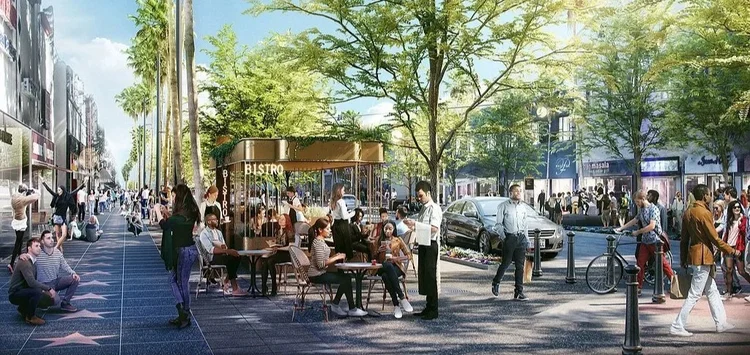
Cities are defined by shared spaces — streets, parks, plazas — places where community once happened almost by default. Today, even these traditional gathering places feel more fragile. The loneliness epidemic has reached our neighborhoods, more people are strangers where they live, and many public spaces are simply less used. Research continues to show that public space plays a critical role not only in social cohesion, but also in economic vitality and community resilience. But this year underscored an important truth: good public space doesn’t maintain itself. It requires intention — in design, programming, and stewardship — especially as public space increasingly becomes a backdrop for political intimidation rather than everyday connection. That theme ran through many of our conversations, from research on how urban form shapes social interaction to efforts that temporarily reclaim streets for people. But one discussion stood out. Carol Coletta has long argued that public space builds participation and pride, and her role delivering Tom Lee Park in Memphis shows what that looks like in practice. The success of the park wasn’t just the physical transformation — it was the sustained investment in programming, staffing, and activation that created opportunities for people to connect. And yet, as cities grapple with tighter budgets and federal funding cuts, park programming is threatened. This is the quiet contradiction many cities now face: we look to public space to heal division and isolation, but underinvest in the very elements that make those spaces work.
|
|
This year, the Building Better Cities podcast highlighted stories from across the United States that show how local leadership can combat these challenges. The most promising examples we’ve seen share a common thread. They are intentional — about how risk is shared, how capital is structured, and how long-term outcomes are prioritized over short-term speed. They ask not just can we build? but what are we actually building for? As we head into another year where certainty may remain elusive, the opportunity is still there. To choose coordination over fragmentation. Systems over silos. Connection over convenience. That, more than any single headline, is what it means to keep building better cities. If you’d like to learn more or share your work with us, don’t hesitated to reach out for a conversation. In the meantime, please forward this email and subscribe your friends.
|
|
|
|