|
Decades of short-term decisions have left cities vulnerable to a triple threat of housing, climate, and economic challenges. But community changemakers are charting a new way forward. ͏ ͏ ͏ ͏ ͏ ͏ ͏ ͏ ͏ ͏ ͏ ͏ ͏ ͏ ͏ ͏ ͏ ͏ ͏ ͏ ͏ ͏ ͏ ͏ ͏ ͏ ͏ ͏ ͏ ͏ ͏ ͏ ͏ ͏ ͏ ͏ ͏ ͏ ͏ ͏ ͏ ͏ ͏ ͏ ͏ ͏ ͏ ͏ ͏ ͏ ͏ ͏ ͏ ͏ ͏ ͏ ͏ ͏ ͏ ͏ ͏ ͏ ͏ ͏ ͏ ͏ ͏ ͏ ͏ ͏ ͏ ͏ ͏ ͏ ͏ ͏ ͏ ͏ ͏ ͏ ͏ ͏ ͏ ͏ ͏ ͏ ͏ ͏ ͏ ͏ ͏ ͏ ͏ ͏ ͏ ͏ ͏ ͏ ͏ ͏ ͏ ͏ ͏ ͏ ͏ ͏ ͏ ͏ ͏ ͏ ͏ ͏ ͏ ͏ ͏ ͏ ͏ ͏ ͏ ͏ ͏ ͏ ͏ ͏ ͏ ͏ ͏ ͏ ͏ ͏ ͏ ͏ ͏ ͏ ͏ ͏ ͏ ͏ ͏ ͏ ͏ ͏ ͏ ͏ ͏ ͏ ͏ ͏ ͏ ͏ ͏ ͏ ͏ ͏ ͏ ͏ ͏ ͏ ͏ ͏ ͏ ͏ ͏ ͏ ͏ ͏ ͏ ͏ ͏ ͏ ͏ ͏ ͏ ͏ ͏ ͏ ͏ ͏ ͏ ͏ ͏ ͏ ͏ ͏ ͏ ͏ ͏ ͏ ͏ ͏ ͏ ͏ ͏ ͏ ͏ ͏ ͏ ͏ ͏ ͏ ͏ ͏ ͏ ͏ ͏ ͏ ͏ ͏ ͏ ͏ ͏ ͏ ͏ ͏ ͏ ͏ ͏ ͏ ͏ ͏ ͏ ͏ ͏ ͏ ͏ ͏ ͏ ͏ ͏ ͏ ͏ ͏ ͏ ͏ ͏ ͏ ͏ ͏ ͏ ͏ ͏ ͏ ͏ ͏ ͏ ͏ ͏ ͏ ͏ ͏ ͏ ͏ ͏ ͏ ͏
|
Cities didn't get here overnight. They were built this way. Decades of single-family zoning blocked the construction of townhomes and other missing middle housing that communities desperately need. Singular industries were invited to dominate entire places — and when they inevitably contracted, they left behind vacancy and blight. Freeways were built to serve the automobile, often at the expense of the mixed-use, transit-oriented neighborhoods that could have sustained local economies. These were intentional decisions with (somewhat) unintentional consequences — preventing growth, hollowing out entire neighborhoods, and creating intense friction for anyone trying to move forward. But what's becoming clearer is that in almost every community, there are changemakers charting a new way forward. At Building Better Cities, we support and elevate changemakers and their stories so the ideas behind them can scale. This month's newsletter highlights leaders who are flipping the script on what it takes to reverse extractive systems in our built environments. From the building to the city, they are leveraging technology, financing tools, and storytelling to write a better future for their communities. Hope this gets you thinking,
|
|
Founder and CEO, Building Better Cities
|
|
What It Really Takes to Save a Downtown
|
|
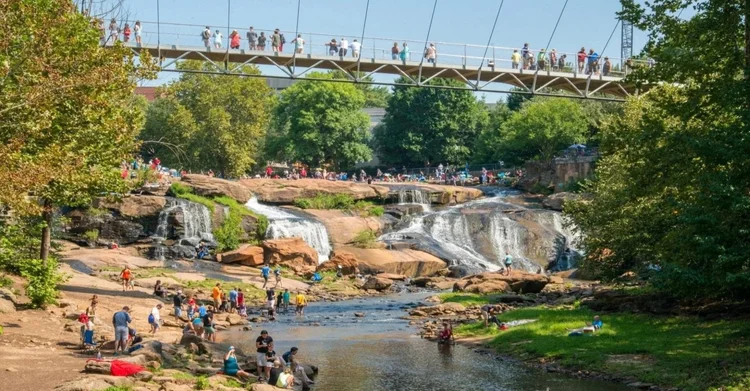
Greenville, South Carolina was once the textile capital of the world. When the industry collapsed, downtown followed — vacant mills, empty storefronts, blight. Rather than chase the next factory, Mayor Knox White and Greenville's civic leaders bet on placemaking. They built a downtown around quality of life: tree-lined streets, walkable blocks, great public spaces, and a mixed-use vision for living. The boldest move? Tearing down a highway bridge to reveal the city's hidden waterfall and create Falls Park. It worked. Tax increment financing helped fund the risk, developers followed, and Greenville became a national model for mid-sized downtown revitalization. But success created its own problem: the bet worked so well that affordability is now the city's defining challenge. Moving forward, Greenville is now reserving land for affordable housing around its newest investment, Unity Park. For cities staring down post-COVID downtown decline, the takeaway is clear: invest in placemaking first. Create a there, there — and let the market follow. Mayor White gets into the specifics of how Greenville pulled it off — the political risks, the financing, and what he'd do differently in our recent episode.
|
|
From Extraction to Regeneration: Place-Based Development In Appalachia
|
|
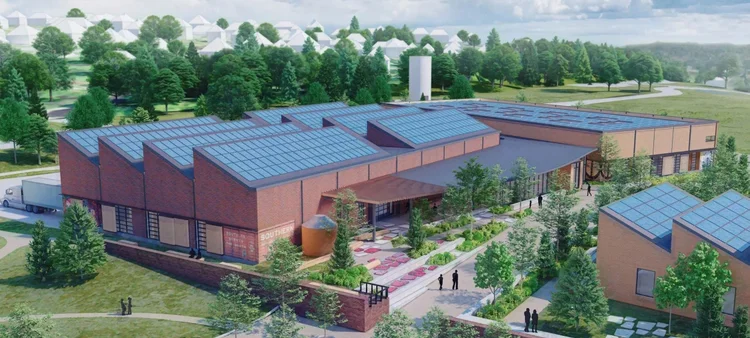
Just a few hours from Greenville, a very different kind of redevelopment is underway in Morganton, North Carolina. Instead of the city or a private developer at the helm, a nonprofit is taking the lead. The Industrial Commons has spent years growing the circular textile industry by building cooperative businesses and training workers. As a result, local wealth creation is possible. In a region defined by extractive industries—where corporate interests pulled resources and profits out of Appalachian communities —The Industrial Commons represents a fundamentally different model. That circular economy approach is now being anchored in a physical place. The Industrial Commons is breaking ground on an Innovation Campus that will be the next chapter of Morganton's reinvention. The question Morganton raises is provocative: could an institutional anchor — a nonprofit, a university, a health system — be the catalyst that moves a community from extraction to regeneration? Steven Baumgartner of BUSS thinks so. He breaks down how The Industrial Commons is doing it, and why the blueprint is more replicable than you might expect. Catch the full conversation here.
|
|
Overcoming Friction to Build Regenerative Cities
|
|
The pattern of extraction doesn’t just play out at the scale of cities and communities. It shows up in the very materials we use to construct our buildings. For decades, the building industry has chosen materials that are cheap and fast but toxic to human health and carbon-intensive to produce. Prioritizing short-term efficiency has resulted in long-term harm. Architect Eric Corey Freed argues the problem isn't that we don't know how to build better — it's friction. Institutional habits, risk aversion, and misaligned incentives make "no" easier than "yes." Drawing on his experience at the Living Future Institute and EcoDistricts, Eric offers a reframing: buildings should move beyond being “less bad” to becoming truly regenerative—designed not just to minimize harm, but to actively improve the health, resilience, and well-being of the people inside them. For developers and institutions, this isn't just philosophy — it's about return on investment. A long-term view shows that regenerative design improves building performance, attracts tenants, and lowers operating costs. So if we already know how to build buildings that give back more than they take, what's actually stopping us? You’ll have to listen to the podcast to here the answer.
|
Austin built 120,000 homes and rents dropped 19%. Michigan wants to copy the playbook. [HousingWire] Building more could lower homeownership value for 66% of Americans. Is the YIMBY movement doomed? [NPR/Planet Money] One in five LA single-family homes sold to a corporation. The city is now studying what that's costing everyone else. [LAist] The World Cup kicks off in June. The infrastructure spending it's accelerating won't end when the final whistle blows. [Capital Analytics] California has the money and the climate goals. So why are transportation emissions still rising? [Brookings Metro] You can't build houses without roads, water, and power. Why infrastructure investment is housing policy. [Smart Cities Dive] Cities are being asked to solve housing, climate, and economic development all at once. They should stop treating them as separate problems. [Lincoln Institute]
|
|
If you’d like to learn more or share your work with us, don’t hesitated to reach out for a conversation. In the meantime, please forward this email and subscribe your friends.
|
|
|
|